
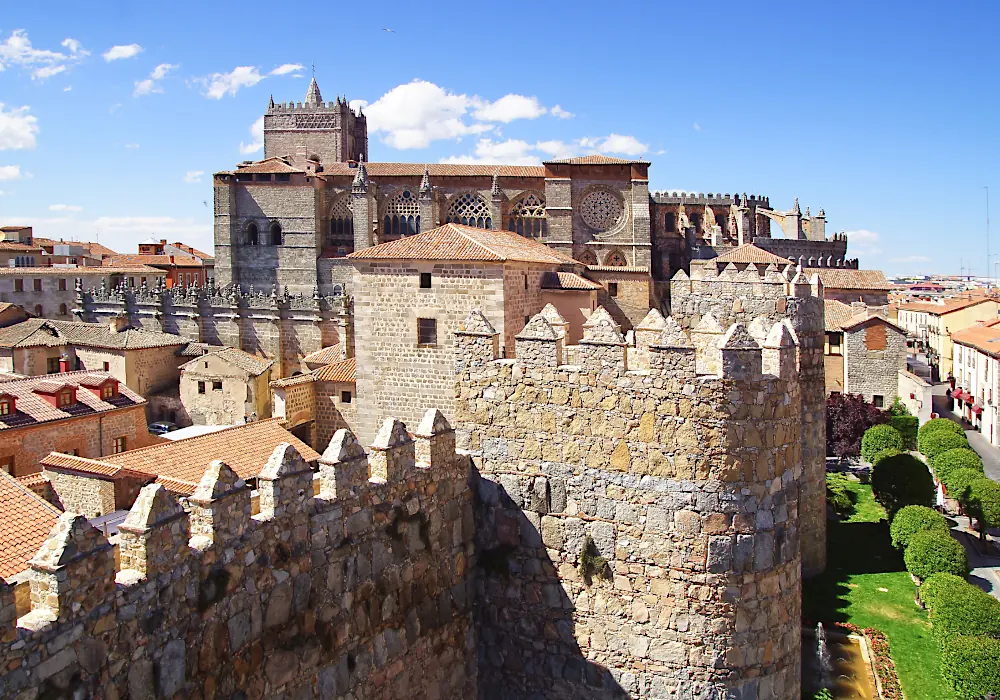
If you are planning a trip to Spain and want to step completely back in time, Ávila deserves a spot at the top of your itinerary. Famous worldwide for having Europe’s best-preserved medieval walls, this UNESCO World Heritage city sits just northwest of Madrid. It offers an incredible mix of rugged history, stunning architecture, and hearty Castilian food that makes it the perfect day trip or weekend getaway.
Whether you are a history buff, a photography lover, or just looking to escape the hustle of Madrid, here is everything you need to know to plan your perfect visit to Ávila.
Top Things to Do in Ávila
While the city is famous for its massive fortifications, there is much more to this high-altitude fortress than just staring at stone walls. From exploring hidden gothic corners to catching a glowing sunset over the Castilian hills, the historic center is packed with sights that make you feel like you have slipped through a crack in time. If you want to make the most of your visit, here are the absolute best things to do in Ávila that you cannot afford to miss.
1. Walk the Walls of Ávila (Las Murallas)
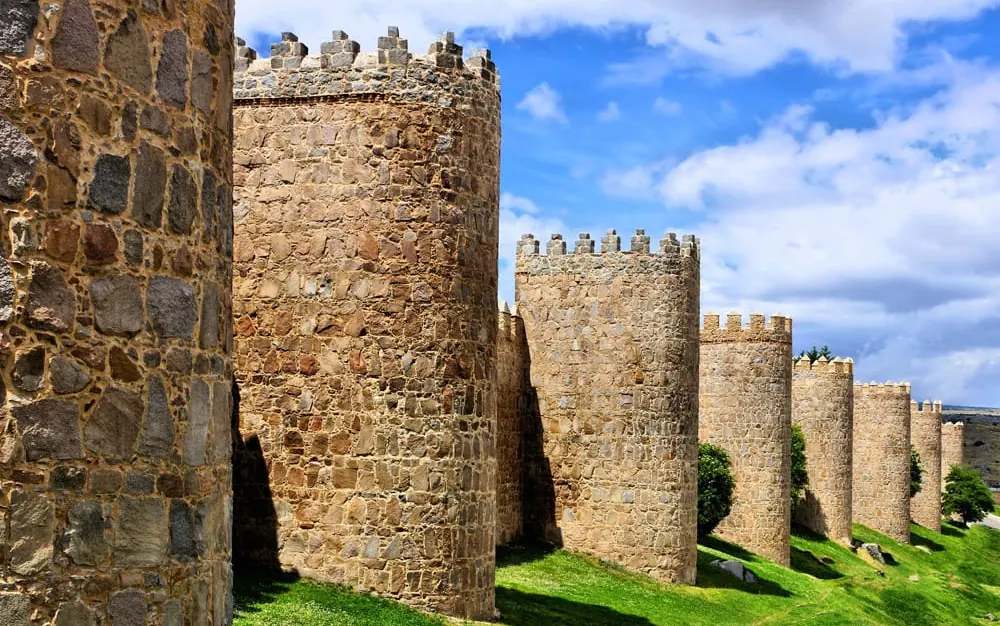
The star of the show is undeniably the city walls. Built between the 11th and 14th centuries to defend the town from invaders, these massive stone structures span roughly 2.5 kilometers, featuring 88 towers and 9 historic gates. Unlike many ancient walls in Europe, Ávila’s walls are almost entirely intact. You can buy a ticket to walk along the top sections, giving you panoramic views over the terracotta rooftops and the rolling Castilian countryside below.
2. Step Inside Ávila Cathedral
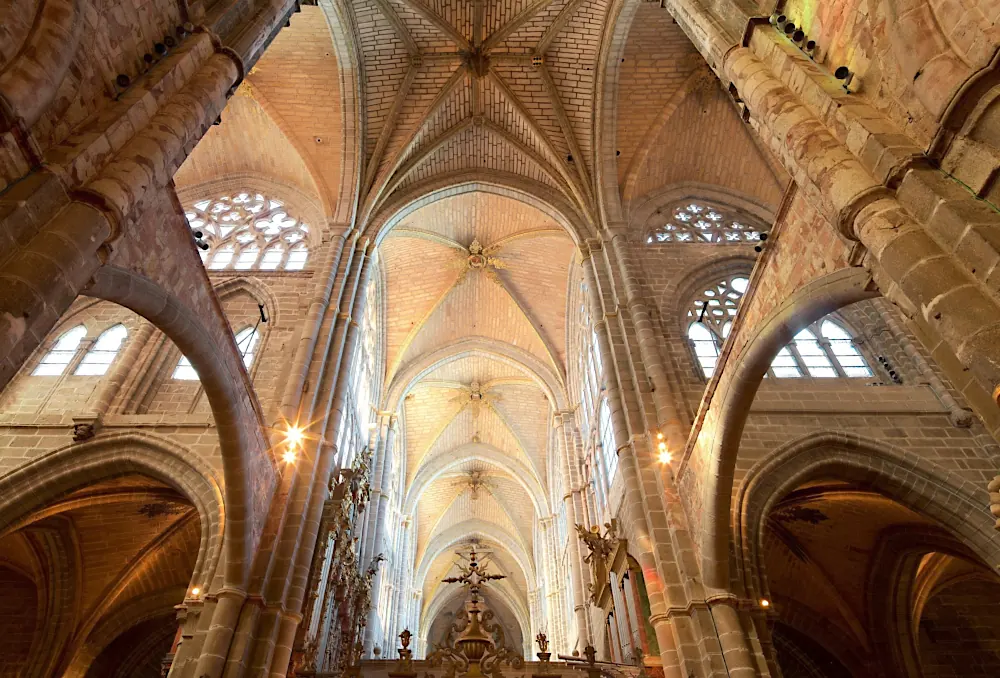
Do not miss the Catedral de Ávila. What makes this cathedral fascinating is that it was designed as a fortress-church. Its granite apse is actually integrated directly into the city walls. Step inside to see the striking red-and-white limestone interior, beautiful stained glass, and the magnificent tomb of El Tostado.
3. Take in the View at Los Cuatro Postes
For the absolute best view of the entire walled city, head just outside the town center to Los Cuatro Postes (The Four Posts). This 16th-century monument offers the classic, panoramic postcard view of Ávila.
Try to visit at sunset or at night when the entire stretch of the medieval wall is illuminated against the dark sky.
4. Explore the Legacy of Saint Teresa
Ávila is deeply tied to Saint Teresa, one of Spain’s most famous mystics. You can visit the Convento de Santa Teresa, built directly over the house where she was born in 1515. Inside, there is a small museum containing relics and personal items from her life.
Where to Stay in Ávila: Atmospheric Hotels That Complete Your Journey
To truly feel the medieval energy of Ávila, you need to stay somewhere with a story. Skipping the generic hotels outside the center and choosing a place built right into the city’s history completely changes the vibe of your trip. Walking down empty, dimly lit cobblestone streets after the day-trippers leave is an experience you only get by staying inside the old quarter.
Here are the most atmospheric hotels in Ávila:
Parador de Ávila (Palacio de Piedras Albas)
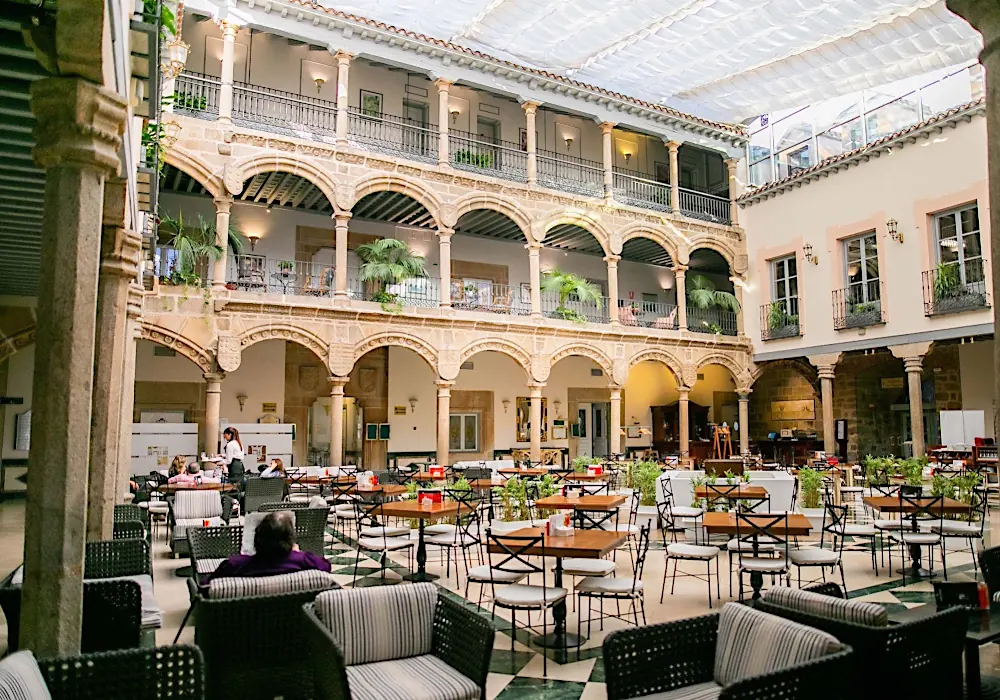
If you want to sleep inside a piece of history, this is your spot. Housed in a beautifully converted 16th-century palace, the Parador de Ávila is integrated directly into the iconic city walls. The interior features massive granite floors, high ceilings, and traditional Castilian furniture, balanced with a modern glass-roofed courtyard.
💡 The Highlight
The hotel’s private gardens contain real archaeological ruins and offer exclusive, close-up views of the ancient stone ramparts.
Hotel Palacio Valderrábanos 5*
Located right on the cathedral square, this four-star hotel lets you wake up looking directly at Ávila’s fortress-church. Palacio Valderrábanos is a former 14th-century noble residence that retains its dramatic, dark-wood medieval architecture, suits of armor, and historic stone arches. It feels like stepping onto a historical movie set, making it the perfect choice for anyone who wants absolute immersion in the city’s gothic past.
La Casa del Presidente Small Luxury Hotels
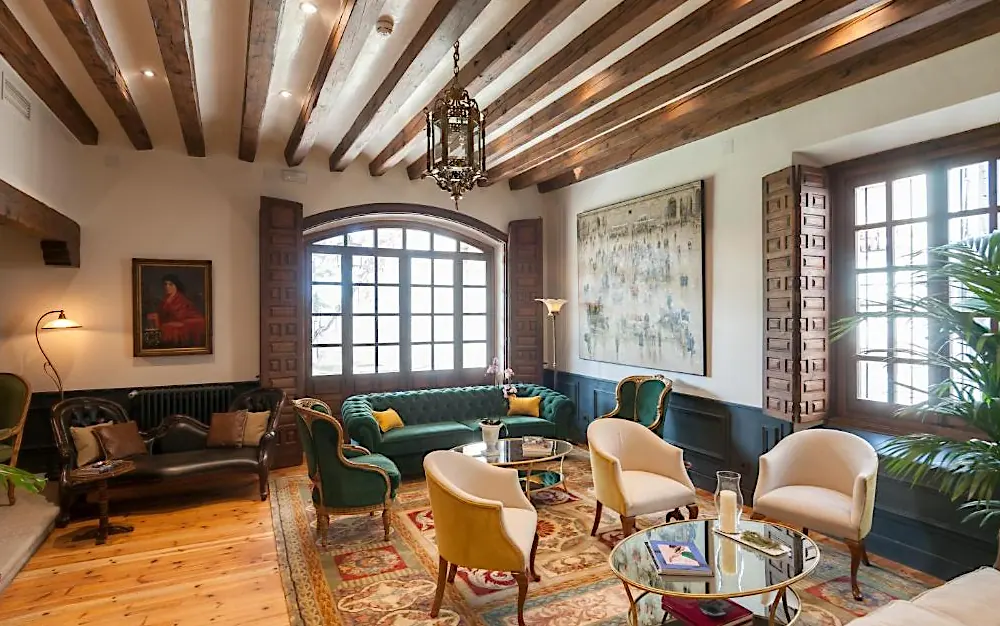
For something intimately historic yet upscale, this boutique hotel is hidden inside a grand 1970s estate that once belonged to Adolfo Suárez, Spain’s first democratically elected prime minister after Franco. La Casa del Presidente features exposed stone walls, premium luxury interiors, and a hidden outdoor pool—a rare find inside the historic quarter. Crucially, the estate features private, direct access to a quiet section of the medieval city walls.
Sofraga Palacio 4*
If you love old-world character but prefer a clean, modern aesthetic, Sofraga Palacio hits the sweet spot. Built inside a fully restored 16th-century palace close to the San Vicente gate, the hotel contrasts ancient wood beams and exposed stone work with minimalist furniture and smart-room tech. Its on-site restaurant is heavily integrated into a glass pavilion overlooking a century-old garden, making it a fantastic spot for a quiet evening drink.
What to Eat: Local Gastronomy
Because Ávila sits high in the rocky hills of Castile and León, the local food is designed to keep you warm and satisfied. When you sit down at a local tavern, make sure to order these two staples:
- Chuletón de Ávila — a massive, perfectly grilled T-bone steak sourced from local Avileña beef. It is typically served simply with sea salt and potatoes.
- Yemas de Santa Teresa — the city’s signature sweet. These are small, delicate round pastries made solely from egg yolks and sugar, named in honor of Saint Teresa.
 How to Get to Ávila from Madrid
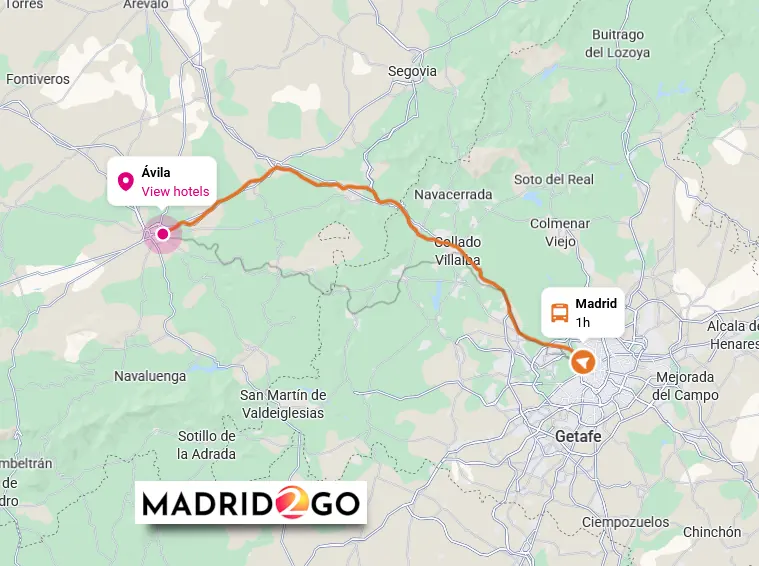
Ávila is highly accessible from the Spanish capital, making transportation straightforward:
- By Train
Regular Renfe trains depart from Madrid’s Príncipe Pío or Chamartín stations. The journey takes about 1 hour and 30 minutes, dropping you off a short walk from the old town. - By Bus
Avanza operates frequent bus routes from Madrid’s Moncloa station. Travel times are comparable to the train, and tickets are often slightly cheaper.
💡 Pro Tip: Check the Weather.
Ávila is the highest provincial capital in Spain, sitting at over 1,100 meters above sea level. This means it is significantly cooler than Madrid. Even if you are visiting in the spring or summer, pack a light jacket or sweater for the evening breeze.
Final Thoughts
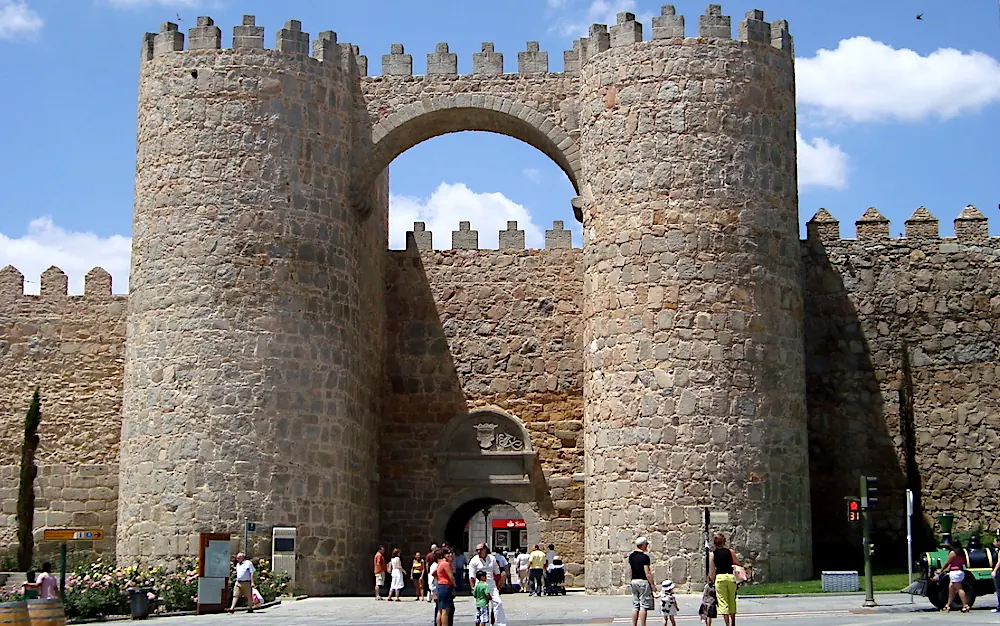
Ávila feels less like a tourist attraction and more like a living piece of history. You do not need a strict schedule here. The best way to experience the town is simply to wander through the quiet cobblestone alleys, climb the ancient stone towers, and enjoy a traditional meal inside walls that have stood the test of time for centuries.